



Monthly Gardening Chores
Mother Nature acts as a ‘great equalizer’ and it is better to
take garden chore queues from what the sky, temperature and the soil are
illustrating instead of a hard fast date on the calendar. In our
ever changing season creep, demonstrated through hotter spring and summer
seasons, followed by extreme snow falls, plummeting temperatures and winter
precipitation, gardeners are highly
aware of the changing weather patterns. Here in a picturesque section of northern New Jersey,
summers now stretch into late October and early November, temperatures
frequently plummet into single digits, modifying our USDA Plant Hardiness Zone
as well as creating new challenges for the quest of the ‘new hardy.’
JANUARY
Planning

• Spend time with your notes from the past
season, begin making lists for divisions, relocations, and additions
• Determine types and quantities of plants
you will need to order
• A great time for ‘arm chair’ gardening –
place orders with seed and nursery catalogs now
Maintenance
• Place branches from your Christmas tree
on top of tender perennials for insulation
• Inspect ornamental trees and shrubs for
scale insects
• Re-dress frost heaved perennials with an
extra layer of mulch
• Prune away storm damaged branches
promptly, to prevent tearing of bark
• Prune pussy willow, quince to bring
branches in for forcing
• Keep bird feeders filled throughout
winter
FEBRUARY
Planning
• Complete seed and
nursery orders, review past seasons notes, photos and sketches to develop plan for this growing season
Maintenance
• Verify that all mulches and winter plant
protection are still in place. Do not be fooled by warm sunny days,
it is still too early to remove cold weather protection
• Continue to
inspect trees and shrubs for rodent and weather damage
• Prune summer and fall blooming shrubs
• Clean and sharpen tools, in preparation
for spring
• Sow seeds of annuals which require a long
growing season i.e. lobelia, petunia, vinca, verbena,
snapdragon
• Keep bird feeders filled throughout
winter
MARCH
Planning
• Test for soil types and PH levels before
any major planting. As soon as the soil is workable, contact your
local cooperative extension service and inquire with an agent for steps
and processes to complete an assessment
Maintenance
• Remove winter protection from planting
beds; do so with care, as plant materials may have initiated new growth
• Dig compost into garden beds for spring
planting, as soon as soil is friable and dry
• Reset frost-heaved plants
• Apply horticultural oil sprays to dormant
trees and shrubs before buds open and there is no danger of night frost
• Start spraying deer and rodent repellant
frequently
• Cut back ornamental grasses, butterfly
bushes, vitex, Russian sage and native smooth
hydrangeas. Wait until after flowering on early flowering shrubs
such as forsythia, hydrangea macrophylla,
rhododendron and syringa
• Prune all plant material to remove any
diseased, dead, weak or crossing branches
• Complete tree and shrub pruning before new
growth begins
• Fertilize deciduous, broad-leaved and
needle-leaved evergreen shrubs and trees, if not fed in fall
• Apply fertilizer to roses as new growth
begins
• Make a ball of string, strips of old
cloth and dryer lint and suspend in your trees or dense shrubs for the birds to
make nests
APRIL
Planning
• Review garden footprints for gaps that
can be filled by spring flowering bulbs, note for July ordering
• Determine range of four season
characteristics within garden; note areas for supplemental plant material such
as annuals to bridge gaps in perennial bloom sequence, flowering trees and
shrubs for color and time of bloom to add to the garden
Maintenance
• Continue to remove winter
protection/mulches
• Continue to dig beds in preparation for
planting and compost addition
• Begin weed removal
• Continue to apply horticultural oil
sprays to control insect pests on trees if temperature is above 40 degrees
• Cut back last year’s growth from non-
spring blooming herbaceous perennials to the ground
• Sow seed for cold tolerant vegetables
(lettuce, spinach, radishes, peas, carrots)
• Plant deciduous and evergreen trees and
shrubs, weather and soil conditions permitting
• Sow seeds of hardy annuals in place in
the garden
• Set supports for peonies
• Plant early spring containers
• Continue to plant and transplant perennials
• Complete rose planting
• Fertilize perennials when you see 2-3” of
new growth
• Fertilize bulbs as they finish blooming
• Fertilize needled evergreens
MAY
Maintenance
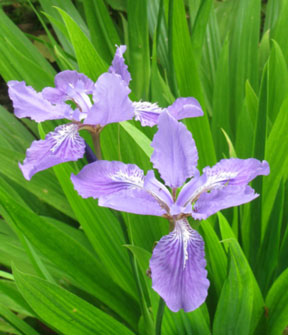
• Dig and divide early-blooming perennials
after flowering
• Lift, divide and replant late summer and
fall-blooming perennials
• Set up line and supports for vines and
other plant materials
• Begin watering
program, as dictated by current weather patterns, long slow waterings are always best
• Begin weeding
• Mulch planting beds to assist with water
retention, weed reduction and end of season root insulation
• Deadhead bulbs but allow foliage to
remain, untied, until yellow to nourish bulbs for next seasons show
• Begin diligent inspections for pests and
other problems within the garden beds
• Continue application of deer repellents
• Move self-sown annuals and perennials to
desired locations or share with friends
• Complete planting of deciduous trees and
shrubs, weather permitting
• Pinch back late summer and fall blooming
perennials to promote full growth
• Prune early spring-flowering shrubs after
blooming
• Begin dead heading roses and fertilize
• Prune evergreens into early summer
JUNE
Maintenance
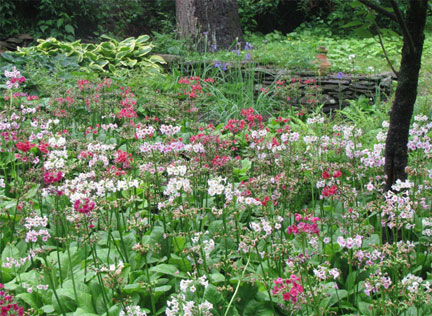
• Continue weeding
• Change over early spring containers to begin summer containers
• Water as needed; long slow waterings are best
• Deadhead early blooming shrubs, once bloom cycle is completed: lilacs, rhododendrons
• Begin to spray roses every week to protect against black spot disease;
• Continue application of deer repellents
• Sow seeds directly into soil for fast growing annuals such as marigolds, zinnias, and cosmos
• Finish planting summer annual plants
• Complete planting summer-flowering blubs such as dahlias and gladiolas
• Plant caladium and tuberous begonias in shady nooks
• Pinch back asters, sedums and chrysanthemums to promote tighter habits
JULY
Planning
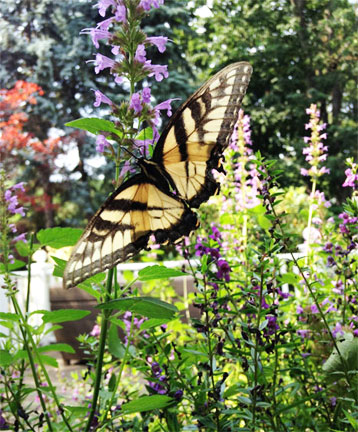
• Order spring-flowering bulbs for fall
planting
• Assess areas in the garden that may need
additional plant materials
• Determine larger plant material needs for
fall planting: trees and shrubs
• Photograph garden to best capture
triumphs and weaknesses; black and white photos best demonstrate areas of need;
make notes for next seasons plans
Maintenance
• Continue watering as needed; long slow waterings are always best
• Prioritize plants
that are in most need of water; practice wise watering techniques
• Deep water
younger large landscape plants at least once during drought periods; set hose
on slow trickle and move every half hour around drip line; constantly monitor
• Continue to weed
• Monitor growth of plants requiring
staking, line, support
• Deadhead annuals and perennials to
encourage continual bloom
• Continue to spray roses weekly and
deadhead
• Remove fallen leaves or debris from
garden beds which can promote insect pests and disease
• Continue to apply deer repellent
AUGUST
Maintenance
• If rain is still in short supply continue
wise watering techniques
• Continue weeding, deadheading
• Continue to check for pests and treat as
needed
• Continue to keep garden beds clean of
fallen leaf and other debris to reduce insect
pests and disease
• Continue to deadhead roses
• Continue to apply deer repellent
• Cut flowers for drying: hydrangeas,
yarrow, strawflower, cockscomb, gomphrena
• Divide bearded Iris and discard any
borer-damaged sections
• Divide hellebores during the later
part of this month
• Plant late season annuals for fall color;
change over container gardens
SEPTEMBER
Planning
• Continue assessments of garden
performance and list needs for next growing season
Maintenance
• Collect seed from perennials and annuals
• Continue to cut flowers for drying
• Rid gardens of early fall leaf debris;
recycling it into compost pile for later use
• Continue to apply deer repellent
• Start planting spring flowering bulbs
• Taper back on rose feeding and leave last blooms on roses so that they produce rose hips, adding to the gardens winter color
• Add organic matter such as
manure or compost to improve garden soil structure
• Begin to watch weather and if frost
threatens, take in houseplants; pinch back houseplants before returning
them indoors and treat with an insecticidal soap to ensure pests do not
compromise the plant
• Take cuttings of begonias, geraniums,
coleus to grow on as houseplants
• Begin to feed birds
OCTOBER
Planning
• Continue to use garden notes and
photographs to plan for future plantings
• Prepare sketches for use next season
Maintenance
• Compost fallen leaves and garden debris
• Continue to weed
• Finish staking for late blooming
chrysanthemums
• Lift and store tender bulbs such as
dahlias, cannas, gladiolus after first frost
• Complete planting, transplanting of
broad-leaved and needle-leaved evergreens and water thoroughly
• Complete lifting
and dividing of iris, hellebores, daylilies
• Pot up parsley, chives and rosemary to
grow indoors
• Plant bare-root roses
• Finish planting up spring-flowering bulbs
• Pot up amaryllis, tulips and other
prepared bulbs and store in cool dark place until ready to force for indoor
enjoyment
• Complete pre winter pruning of rambler
and climbing roses to reduce winter damage
• Prune late-flowering shrubs and trees
when dormant
• Bring all houseplants in before frost
• Suspend houseplant fertilizing; resume in
March
• Keep bird feeders filled
NOVEMBER
Planning
• Have soil tested at a local cooperative
extension service to determine PH and nutritional levels of soil, in
preparation for next growing season
Maintenance
• Continue to water thoroughly until ground
freezes
• Complete leaf debris removal to protect
from overwintering of insects and disease
• Cut back perennials, but leave ornamental
structures in garden for winter interest
• Protect trees and shrubs from deer with
burlap or netting
• Continue to plant deciduous trees and
shrubs until ground freezes
• Pot up hardy spring bulbs for indoor
forcing
• Complete pruning of late-blooming trees
and shrubs
• Fertilize trees and shrubs before the
ground freezes so that food will be available to plants in early spring
• Clean out containers so that they do not
freeze and crack, stow for use next season
• Continue to feed birds
DECEMBER
Planning

• Use garden notes, photos and sketches to
assess areas which need plants
• Determine types and quantities of
plants to order
• Begin to order plants from seed and
nursery catalogs
Maintenance
• Create winter containers made
of fresh cut greens, berries, branches and pods/cones
(prune evergreen branches and other plant material from your garden for use in
your winter containers and decorations)
• Assess amount of mulch that remains post
growing season, ensure a thorough amount still exists in the garden, as it is
useful for plant root insulation; re-dress as necessary
• Keep bird feeders filled through winter
• Monitor indoor plants for pests
• Introduce pre potted indoor bulbs to increased
sunlight, to enjoy during the winter months
Contact Beth for more information